Visit Network destination
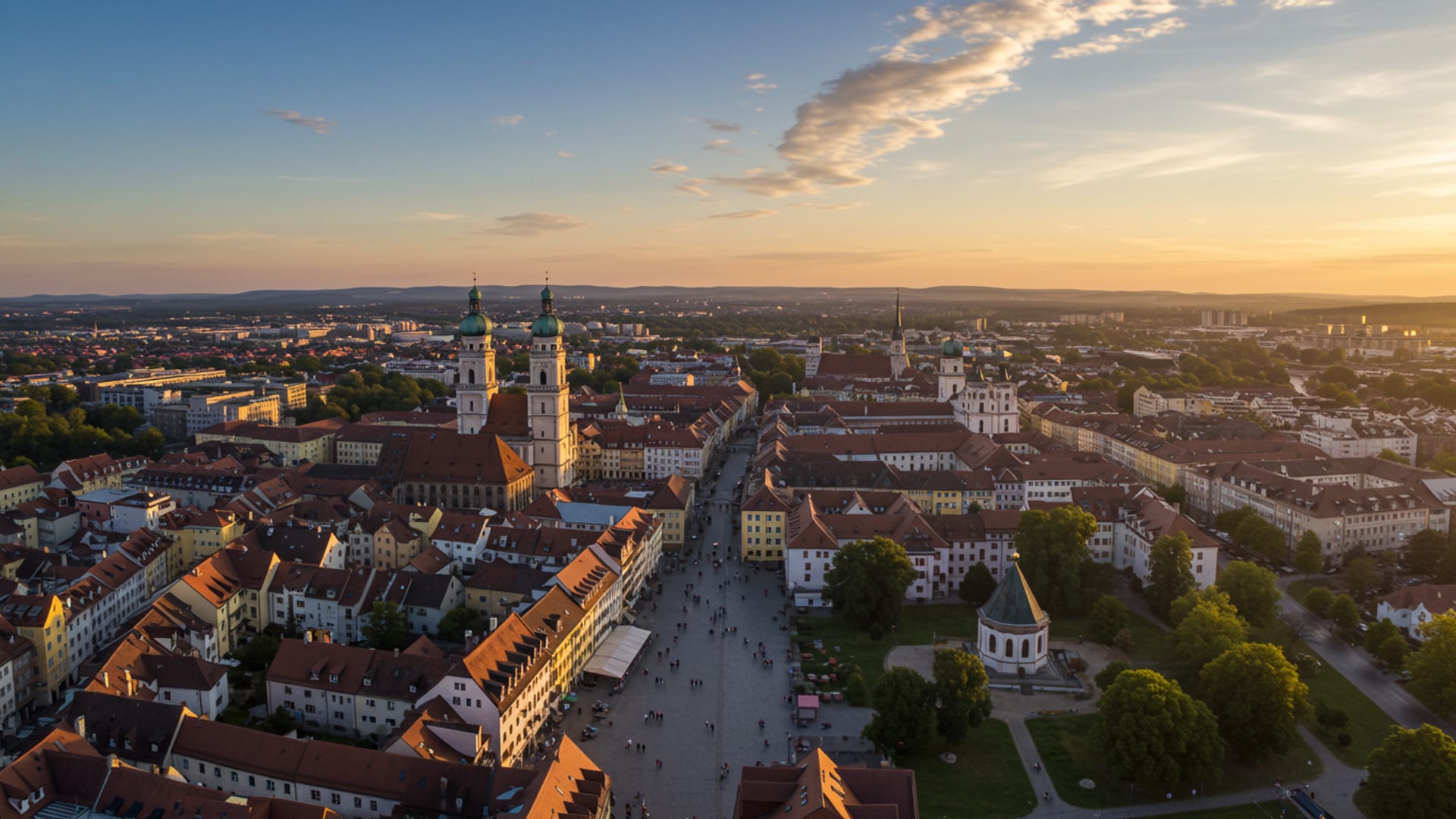
Altstadt
Historic Old Town with medieval Gothic and Renaissance architecture.

Preview travel guide
A practical overview of Straubing: where to start, how the destination is laid out, when to visit, and how to plan a first trip.
Straubing is a small city in Lower Bavaria, Germany, situated on the banks of the Danube River in southeastern Germany between Munich and the Czech border. It serves as a regional hub with a historic Old Town, defined by medieval architecture and a riverfront that remains central to its geography and economy.
Straubing’s layout centers around the Danube River, which runs east-west through the town’s center. The Altstadt (Old Town) is located south of the river, clustered around Ludwigplatz and Theresienplatz, where Gothic and Renaissance buildings reflect the city’s medieval origins. Streets radiate from these squares, forming a compact core with pedestrian-friendly zones. North of the Danube is the riverfront promenade, a recreational area with views of the water. Residential and commercial districts extend outward from the Altstadt, connected by public transport and regional rail links to Munich and Regensburg.
The Altstadt is the historic heart of Straubing, home to landmarks such as St. James Church (Jakobskirche), a Gothic structure central to the city's religious heritage. East of the Old Town lies the Gäuboden district, known for its residential areas and local shops. The Danube riverfront along the northern edge offers green spaces and walking paths. Further out, districts like List and Reising provide quieter suburban settings while remaining accessible to the city core. The proximity to the Danube shapes much of the city’s character and public life.
Straubing’s location along the Danube River shapes its landscape and economy, historically supporting trade and settlement. The city sits at a moderate elevation with a temperate continental climate typical of Bavaria. Winters are cold but not extreme, while May through September bring warm, dry weather suitable for outdoor activities. Seasonal changes impact the riverfront and local parks, with spring and autumn offering pleasant conditions for walking and sightseeing. The Danube remains a defining natural feature, visible from much of the city and influencing local lifestyle.
Straubing is a walking-friendly city with a handful of distinctive areas worth knowing. Pick one base — usually the historic centre or a connected residential district — and use it as the launchpad for a few day-anchored visits across neighbourhoods. Plan one major attraction, one museum, and one neighbourhood walk per day.
The regions, cities or zones most first-time visitors combine. Pick by travel pace, season and what you want to do.
Historic Old Town with medieval Gothic and Renaissance architecture.
Residential district east of the Old Town with local shops.
Suburban district offering quieter residential areas north of the city center.
Outlying district southwest of the Old Town with mixed residential zones.
Starting points for shaping the trip around the style that fits — not a fixed itinerary.
Anchor each day around one major attraction or area in Straubing, leave evenings flexible, and skip the second museum. Use one orientation tour early to get your bearings.
See suggested experiencesA 2–3 day visit in Straubing works best when you commit to one base and one or two anchors per day, rather than moving between towns or trying to "see everything".
See suggested experiencesSeven days or more lets you pair a city stay with a regional or coastal add-on. Pick a contrast — urban + nature, or central + countryside — and use the longer window for slower mornings.
See suggested experiencesChoose attractions with clear timings and skip-the-line tickets, keep at least one outdoor or interactive stop in each day, and protect downtime — pacing matters more with kids.
See suggested experiencesBuild the trip around the landscape: trails, viewpoints, day-from-base outings, and any signature activity. Book weather-sensitive plans early and keep a buffer day if you can.
See suggested experiencesPick one or two stretches of coast rather than chasing the perfect beach. Local boats and ferries set the pace; flexible dates beat fixed itineraries when weather is in play.
See suggested experiencesFour distinct seasons each shape a different trip. Pick the season for what you want to do, not the other way around.
Mild, lighter crowds, gardens at their best. Good time to visit Straubing if you want walking weather without summer prices.
Peak season — best weather but the busiest, most-expensive window. Book major sites and trains weeks ahead.
Often the quiet sweet spot: autumn colour, harvest food, lower hotel rates. Pack layers — late autumn turns cool fast.
Quietest, cheapest, sometimes coldest. Good for museum-led city visits, Christmas markets, or skiing where applicable.
Weather varies by region and altitude — check forecasts close to travel rather than assuming the season.
Direct answers to the questions most travellers actually ask before they book.
Named districts, beaches, viewpoints and points of interest. Hover a pin to see its description.
Other travel resources that complement this preview guide.
Visit Straubing is one of 179 destination micro-sites across the Visit Network — independent guides, written by editors who actually go.
You may also be interested in: VisitDresden.net, VisitLubeck.com, VisitMunich.net
Are you a hotel, tour operator, local guide, contributor, or potential partner? We're expanding the Straubing guide and would like to hear from you. Send us a note and we'll reply personally.